


Charmed : Swipe Local Singles
4.5529.00 Reviews
App Specs
- Version
- 1.0.7
- Updated On
- License
- Free
- Downloads
- 100,000+
- Developer
- PixelDynamics Technolog Limited
- Categories
- Social
- Platform
- Android
Screenshots





 Analysis by AppCompare
I approached Charmed as a social discovery app rather than a simple catalog of profiles. Its purpose is straightforward: help me find local singles and begin a connection through swiping. That sounds familiar if you have used dating apps before, but the experience depends heavily on how well the app fits into ordinary mobile moments—when I have a reliable connection, when I am moving between networks, and when I want to browse without turning the process into a second job.
The app is free to install, aimed at mature users aged 17 and over, and developed by PixelDynamics Technolog Limited. It sits in the social category and has built a 4.5 average from around 5.7 thousand ratings, with more than 100 thousand installs. Those figures suggest a growing audience, although I would still treat it as a newer service rather than a dating network with the depth and familiarity of the biggest alternatives.
How Charmed feels when the connection is doing the work
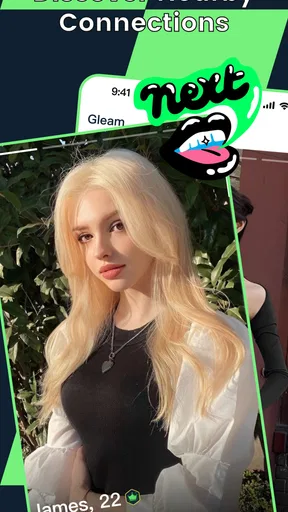
The central swipe mechanic is easy to understand. Profiles appear one after another, and the decision-making is deliberately quick: look, assess whether there is enough interest to continue, then move on. I found that simplicity useful when I wanted a light way to explore nearby possibilities rather than spend a long time building a detailed search.
That convenience is also tied to connectivity. A swipe-based service needs to retrieve profiles, refresh the available pool and register my choices. When the network is stable, the process feels immediate and casual. I can open the app during a short break, make a few thoughtful decisions and close it without needing a large block of time. When the connection is weak, the same design can feel less dependable because the next step is not entirely under my control.
This is an important distinction from a locally stored utility. Charmed is most useful when I treat it as a live window into a changing social pool, not as an app that can be meaningfully browsed in isolation. If I am in a basement, on a crowded train or moving between Wi-Fi and mobile data, I would avoid making quick judgments about whether the service is working properly. A delayed refresh may be a network moment rather than a problem with the profile feed itself.
I also think the swipe format changes how I approach people. It encourages an initial reaction, but it does not replace conversation or careful judgment. A profile can catch my attention quickly, yet that first impression is only a starting point. The best use of the app is to let the swipe stage narrow my attention while keeping expectations realistic about what a connection can become.
Why the local focus matters
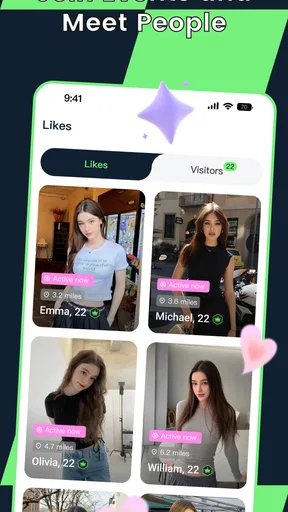
The local angle is the feature I would pay closest attention to. Discovering people nearby can make a promising match feel more practical than finding someone who lives far away, especially if I want a relationship that could eventually include regular face-to-face plans. It can also make the app feel more relevant during everyday routines: after moving to a new area, while expanding a social circle or when long-distance matching has become tiring.
Worth Reading Before You Choose

EA SPORTS FC Mobile 26 Is a Bigger Football Game, but It Takes Time

Flipboard Shows What News Apps Must Do Beyond the Feed

Switching to Android Auto Means Rethinking Your Driving Routine

Google Calendar Makes a Crowded Week Easier to Manage

Ludo King Makes the Most of the Minutes Between Plans

Baby Panda World Brings Quick Play to Modern Phones, but Its Game Library Feels Busy
Local discovery is not automatically better for everyone, though. In a small community, the available selection may feel narrower than on a larger service. In a busy city, the opposite problem can appear: plenty of profiles, but not necessarily more meaningful compatibility. I would therefore judge Charmed by the quality and relevance of the people appearing in my area, not just by how quickly the feed produces new faces.
A practical approach is to use the app with a clear idea of what “local” means to me. If I am open to a wider area, I should be patient with profiles that are not immediately convenient. If distance is a firm boundary, I should avoid treating every appealing profile as a realistic prospect. The swipe interface makes it easy to react, but it does not remove the need to decide whether a connection fits my actual life.
Using it during ordinary mobile routines
Charmed makes the most sense in short sessions. I can imagine checking it after work, during a coffee break or at home while winding down. These are moments when a focused round of browsing is more comfortable than committing to a long profile-building session. The app’s concept supports that rhythm because the basic action is quick to learn and does not require a complicated explanation.
My advice would be to avoid swiping automatically. A fast feed can tempt me to approve or reject people based on a single visual detail, particularly when I am distracted. That is a poor trade-off: the app saves time, but careless decisions can reduce the chance of finding someone genuinely interesting. I would rather use a shorter session with more attention than turn the process into repetitive tapping.
There is also a useful mobile habit here: separate discovery from communication. I would browse when I have enough attention to make fair decisions, then return later when I can actually read and answer messages properly. Trying to do both while walking, commuting or switching between tasks makes the experience feel rushed and increases the chance of overlooking something important.
The app is less convincing for someone who wants a detailed matchmaking system before seeing potential partners. Charmed’s appeal is immediacy and local discovery, while a more questionnaire-driven service may be preferable if I want compatibility prompts, extensive filters or a slower introduction. Neither approach is universally superior; they serve different moods and different levels of commitment.
What happens when the network interrupts the flow
Connectivity problems are especially noticeable in a swipe-based app because the next profile is part of the rhythm. If a screen takes longer to load, I lose the sense of momentum. If an action appears delayed, I may also wonder whether my decision was registered. That uncertainty is more frustrating than a simple pause because it affects how confidently I continue.
I found it sensible to stop rather than repeatedly tap when a response seems slow. Repeating an action can make a temporary connection problem harder to interpret. My preferred recovery routine is simple: wait briefly, check whether the connection has returned, then reopen or continue only once the interface responds normally. I would not keep making decisions while the app appears out of sync.
This matters in places where the phone changes networks. A journey that moves from home Wi-Fi to mobile data can create a short interruption, and crowded public networks can behave unpredictably. The app is not something I would rely on for a smooth session in every environment. It is better suited to moments when I can give it a stable connection and a little patience.
There is a broader lesson in that limitation. A dating app can feel personal because the content involves real people, but the experience still depends on ordinary technical conditions. A delayed screen does not mean a profile is unavailable forever, and a quiet session does not necessarily mean there is no one worth meeting. I try to avoid making emotional conclusions from a temporary technical pause.
When returning after an interruption, I would review the current screen carefully instead of assuming that every previous action needs to be repeated. That small habit prevents duplicate taps and keeps the session more deliberate. It also helps me distinguish three different situations: a profile feed that is still loading, a connection that has dropped, and a genuinely quiet period with fewer appealing options.
Staying comfortable with mobile data and attention
Because the app revolves around a stream of profiles, I would use it thoughtfully on mobile data. I would not leave it open in the background while doing unrelated tasks, and I would avoid treating endless browsing as a default pastime. Closing the app when I am finished is a simple way to keep my usage intentional, even without turning the experience into a technical exercise.
The same principle applies to attention. A local singles app can encourage repeated checking because there is always the possibility of another profile. That can become tiring, especially if I start swiping out of habit rather than genuine interest. Setting a personal stopping point—such as ending a session after I have reviewed the current group carefully—makes the experience feel more controlled.
I would also think about privacy in a practical, everyday way. Dating profiles involve personal information, and local discovery can make details feel more immediate. I would share only what I am comfortable making visible, avoid rushing into private conversations and remember that moving a connection from an app to another channel is a separate decision. Charmed can introduce people, but it cannot replace my judgment about trust and boundaries.
The mature rating is relevant here. The app is intended for users aged 17 and over, so it is not something I would recommend treating as a general social network for younger teenagers. Parents and younger users should not assume that a swipe interface makes the service casual or child-friendly. The context is dating and local social discovery, which deserves the same caution as any other service involving contact with strangers.
How the free model affects the decision
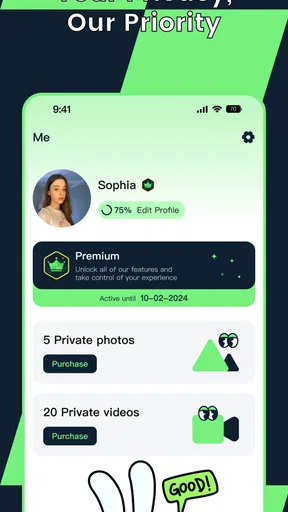
Charmed is free to use, but it includes in-app purchases ranging from $3.99 to $79.99 per item. That range is significant because the initial download does not tell me how much I might eventually choose to spend. I would begin with the free experience and decide whether the app is useful before considering any optional purchase.
My main test would be whether the free version gives me enough room to understand the local pool, the quality of profiles and the pace of interaction. If I feel pressured to pay before I can judge those basics, I would slow down rather than purchase immediately. A paid option can be worthwhile for a committed user, but it should solve a clear frustration rather than become a reflex after a quiet session.
This is another area where Charmed differs from the usual alternatives. Larger dating services may feel more predictable because their paid structures and user communities are already familiar. A newer, smaller-feeling service can be appealing precisely because it offers a different atmosphere, but I would want to see consistent value before committing money. The price range makes budgeting part of the decision, not an afterthought.
Where it stands beside familiar dating apps
Compared with traditional dating apps that emphasize long profiles, extensive preferences or compatibility questionnaires, Charmed feels more direct. Its strength is the combination of local discovery and a quick swipe decision. I would choose it when I want to explore who is nearby without completing a lengthy setup process or turning every interaction into a formal search.
On the other hand, a more established alternative may be better if I need a larger and more varied audience, stronger recognition among friends or a more mature set of communication tools. Charmed’s growing presence—over 100 thousand installs and around 529 written reviews—shows interest, but it is still sensible to compare the actual local activity with the services people around me already use.
It can also be compared with social platforms that are not primarily for dating. Those services may be better for community groups, shared interests or keeping existing friendships active. Charmed is more focused: it is designed around discovering local singles. That focus is useful when dating is the goal, but limiting when I want broader social interaction without romantic expectations.
The developer, PixelDynamics Technolog Limited, has released the app at version 1.0.7, and it supports Android devices running version 6.0 or later. For someone with an older compatible phone, that requirement is not especially demanding. Still, I would keep the app updated when possible, particularly for a network-dependent service where reliability and account behavior matter more than they do in an offline tool.
Who will get the most from it
I think Charmed is a good fit for a person who wants to see nearby dating possibilities in a simple, low-friction format. It suits someone who prefers quick visual discovery, has enough patience to look beyond first impressions and is comfortable starting with a relatively focused local audience. It may also help someone who has recently relocated and wants a dating-oriented way to learn who is around.
A realistic scenario would be a person who finishes work, connects to a dependable home network and spends a few minutes reviewing profiles with a clear intention: not to swipe endlessly, but to identify a small number of people who seem worth knowing. They can stop once attention drops, return later to respond thoughtfully and decide gradually whether a conversation deserves more time. That workflow uses the app’s speed without letting speed control the experience.
I would skip it if I want a completely offline experience, a broad non-dating community or a highly detailed compatibility system. I would also hesitate if my area has very little activity or if I dislike making early judgments from limited profile information. In those cases, a larger dating service or a more conversation-led platform may be a better match for my expectations.
Another reason to skip it is emotional timing. If I am already frustrated by dating apps and likely to interpret every quiet period personally, a swipe-based local service may add more pressure than enjoyment. The app can open doors, but it cannot guarantee replies, compatibility or a satisfying outcome. I would use it when I can treat discovery as a process rather than a quick measure of personal success.
My final view on staying connected
Charmed is most convincing when I use it in the right conditions: a stable connection, a short but attentive session and realistic expectations about local dating. Its swipe design makes entry easy, while the local focus gives the experience a practical direction that many people will appreciate. I like that it can fit into ordinary mobile life without demanding a long appointment every time I open it.
Its limitations are equally clear. The experience depends on network responsiveness, the local pool may vary considerably, and the free starting point sits alongside optional purchases that can become expensive at the upper end. The quick format can also encourage shallow decisions unless I deliberately slow down. Those are not reasons to dismiss it, but they are reasons to use it with a plan.
My connectivity verdict is simple: Charmed works best as a live, local discovery tool, not as an always-on background habit. I would try the free version, use it on a reliable connection, keep my profile and conversations measured, and judge its value by the quality of realistic connections rather than the number of swipes. For the right user, that balance makes this social app worth exploring; for someone seeking a larger, more established or more detailed dating ecosystem, a familiar alternative may still be the wiser choice.
Pros
- Swipe-based matching makes discovering nearby singles quick and easy.
- Location-focused profiles can help arrange realistic local meetups.
- The interface is simple to learn
- even for first-time dating app users.
- Useful filters can narrow matches by preferences and distance.
- A focused local community may feel less overwhelming than global dating apps.
Cons
- Match quality depends heavily on how active your local user base is.
- Some profiles may provide limited information beyond photos and basic details.
- Location sharing can raise privacy concerns for cautious users.
- Frequent swiping may encourage quick judgments instead of meaningful conversations.
- Premium features or limits may restrict the free experience for regular users.
FAQs for Charmed : Swipe Local Singles
What is Charmed: Swipe Local Singles, and how does it work?
Charmed: Swipe Local Singles is a dating app designed to help you discover and connect with people near your location. After creating a profile, you can browse suggested singles, review their photos and information, and swipe to show interest or move on. If two users express mutual interest, they can generally start chatting and decide whether to continue getting to know each other.
Is Charmed: Swipe Local Singles free to download and use?
The app can typically be downloaded without an upfront charge, but some features may require in-app purchases or a subscription. Depending on the current version, premium options might include extra visibility, additional likes, advanced discovery tools, or other conveniences. Before subscribing, check the pricing, renewal terms, and available features shown in the app store and during checkout.
What information do I need to create a Charmed profile?
You will usually need to provide basic details such as your name or display name, age, gender or dating preferences, location, profile photos, and a short description about yourself. The app may also request access to notifications, location services, or your photo library. Only provide information you are comfortable sharing, and review privacy settings before making your profile visible.
Does Charmed: Swipe Local Singles show people near my location?
Local discovery is one of the app’s main purposes, so matching and profile suggestions may depend on your selected location or device location permissions. Results can vary according to the number of active users in your area, your search preferences, and the distance settings available in the app. If location access is disabled, some nearby features may be limited or less accurate.
What safety precautions should I take when using Charmed?
As with any dating platform, avoid sharing sensitive information such as your home address, financial details, passwords, or identity documents. Keep early conversations inside the app, watch for requests for money or suspicious links, and report or block users who behave inappropriately. If you arrange a meeting, choose a busy public place, tell someone you trust, and use your own transportation.


